Metallic gel pens have one job, and they do it exceptionally well: they add shine. A single stroke of gold or silver instantly elevates a colored page from finished to extraordinary. But the real question is whether they deserve a permanent spot in a serious coloring toolkit—or if they're more gimmick than tool.
We tested the Color Technik Metallic Gel Pens on coated paper, standard coloring book paper, and black cardstock to find out exactly how they perform, where they truly shine, and whether they're worth the investment for adult colorists.
First Impressions: What's in the Set
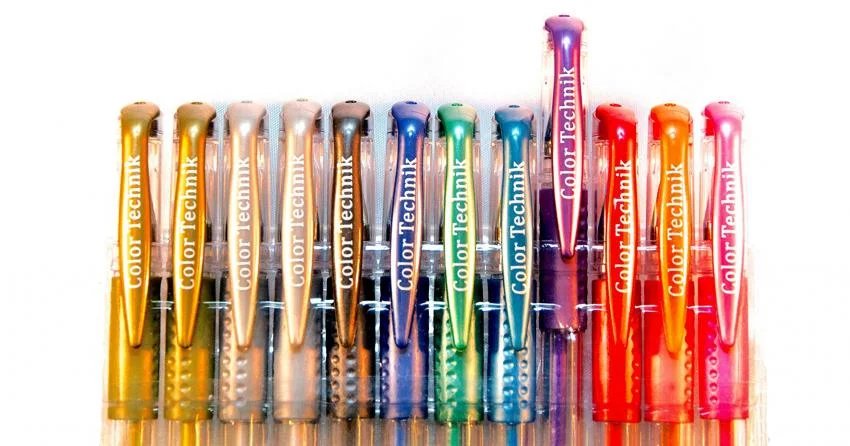
The Color Technik set arrives with 12 pens: 2 golds, 2 silvers, and 8 jewel-tone colors including red, blue, green, purple, copper, bronze, and rose gold. The color range feels intentional—this isn't a "throw every metallic color at the wall" approach.
The plastic barrel is comfortable to grip, and the caps are color-coded, making it easy to identify the shade you want without test-clicking every pen. Each pen has a 0.4 mm rollerball tip, fine enough for detail work but substantial enough to lay down meaningful shimmer without streaking (most of the time). The ink is opaque and metallic, meaning it shows up on light and dark paper alike.
If you're new to gel pens in general, read our complete Gel Pen Art guide before diving into the metallic variety—many of the same foundational techniques apply.
Paper Test 1: Coated Digital Copy Paper
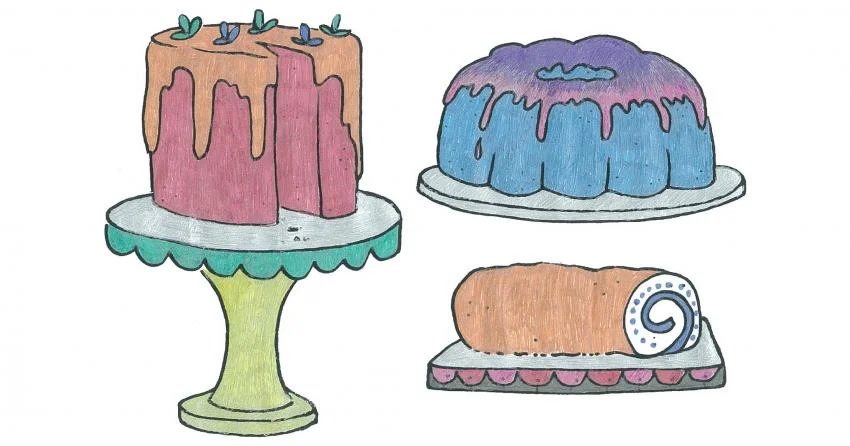
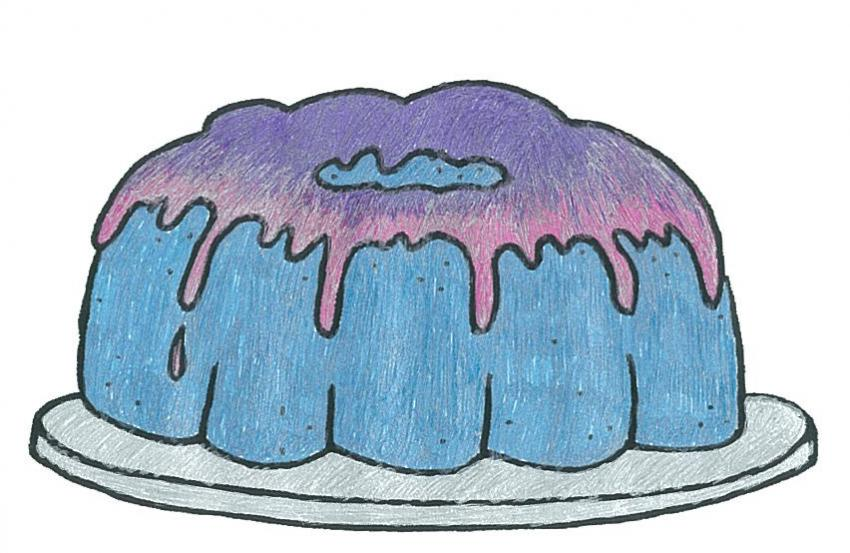
On smooth coated paper the pens glide beautifully. Ink goes down evenly, metallic shimmer is strong, and colors maintain their intensity without fading. One caveat: the rollerball tip can feel slightly scratchy on very long straight lines.
We discovered that using a circular motion technique—small overlapping circles rather than long straight strokes—significantly reduces scratchiness and distributes ink more evenly. This produces professional-looking fills without visible streaks or direction-change artifacts.
Verdict: Excellent performance on coated paper. Circular motion technique is essential for best results. We recommend HP 32lb Premium Choice paper or similar smooth-coated stock for metallic gel pen work.
Paper Test 2: Standard Coloring Book Paper

Most adult coloring books use standard-weight uncoated paper. The metallic shimmer is slightly more muted on this surface—typical for any writing instrument on absorbent stock—but it remains visible and attractive.
Two significant wins: virtually zero bleed-through (metallic ink stays on the surface without penetrating the reverse side) and fast drying (ink sets quickly, preventing smudge-dragging). These properties make metallic gel pens safer for double-sided coloring books than alcohol markers, which are notorious bleeders.
For more on choosing paper types that work well with a variety of coloring tools, see our Best Paper for Coloring guide.
Verdict: Good performance. No-bleed-through is a meaningful advantage. Metallic effect is less intense than on coated paper but still beautiful.
Paper Test 3: Dark and Black Paper
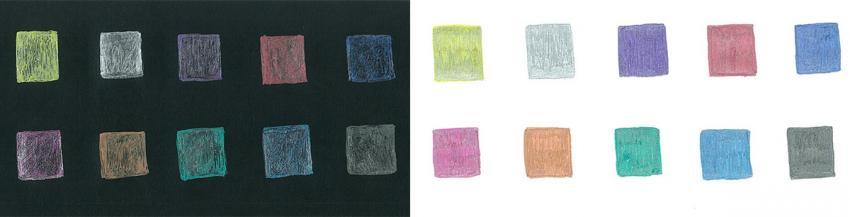
This is where metallic gel pens transform from good to exceptional. Against dark and black backgrounds, metallic shimmer becomes bold and highly visible. Gold and silver especially pop with vibrant contrast that's impossible to achieve with colored pencils or standard markers on dark paper.
The jewel-tone colors (red, blue, green, purple, rose gold, copper, bronze) also perform beautifully on dark paper, appearing more luminous than on light backgrounds. Instead of filling a space they create highlights and contrast.
One note: streaks are more visible on dark paper even with circular motion technique, because the dark background magnifies every stroke. Be aware that metallic gel pens on dark paper show technique more plainly than on light paper.
Verdict: Exceptional. Dark and black paper is where metallic gel pens truly excel.
Blending Test: Can You Blend Metallic Gel?
We tested blending two metallic colors directly on coated paper—applying the second color while the first was still wet and attempting to merge them with overlapping strokes.
Results were mixed. Because gel ink dries quickly, the second color tended to streak rather than melt smoothly into the first. The wet-on-wet window is narrow—maybe 10–15 seconds before the first color sets and resists blending.
What works better is layering for visual effect: apply one metallic color, let it dry completely, then stipple (tiny dot-point strokes) a second metallic or regular color over it. The eye blends them visually even though the inks don't physically merge. This same principle applies to standard gel pens—see our How to Blend Gel Pens guide for the full technique library.
If soft gradients are your primary goal, consider Sakura Gelly Roll Metallic pens, which have better wet-on-wet capability due to a slightly slower-drying formula.
Verdict: Direct blending isn't the strength of metallic gel pens. They're best used for accents, highlights, and bold solid fills rather than soft gradients.
Pros and Cons at a Glance
| Pros | Cons |
|---|---|
| Metallic shimmer on all paper types | Slight scratchiness on long straight lines |
| Exceptional effect on dark and black paper | Limited blending capability (ink dries fast) |
| No bleed-through on standard coloring book paper | Streaks more visible on dark paper |
| Fast-drying formula prevents smudging | Can cover fine printed lines in small areas |
| Affordable ($10–15 per 12-pen set) | Narrower color range than standard gel sets |
| Jewel tones useful for stained glass effects | Circular motion required for streak-free results |
Color Technik vs. Competitors
Color Technik metallic gel pens are solid performers at a reasonable price (typically $10–15 per set). If you want to compare alternatives:
- Sakura Gelly Roll Metallic—Premium option. Exceptional ink quality, wider color range, smoother blending, and higher price point. These are the industry standard for metallic gel pens.
- Pentel Sunburst Metallic—Strong performers with reliable ink flow. Good alternative to Color Technik at a similar price.
- Generic metallic gel pens—Often mediocre quality with inconsistent ink flow and skipping nibs. Color Technik is meaningfully better.
For colorists who mostly want gold/silver accents on a budget, Color Technik delivers the best value. For serious metallic work, Sakura Gelly Roll Metallics are worth the premium.
Best Uses for Metallic Gel Pens
Understanding what metallic gel pens do best helps you deploy them strategically in your coloring practice:
- Metallic accents on finished work: Apply to completed colored pencil or marker pieces to add highlights and shimmer without reworking the entire design
- Gold and silver on dark paper: Create dramatic contrast by adding metallic highlights to dark paper coloring designs
- Stained glass effects: Use jewel tones (colored metallic options) to create luminous stained glass aesthetics in mandala and geometric designs
- Mandala borders and fine details: Metallic borders give mandalas a sophisticated, finished appearance that regular gel pens can't match
- Background shimmer: Light metallic fill over a light-colored base creates subtle background texture and visual depth
- Double-sided coloring books: No bleed-through makes metallic gel pens perfect for books where both sides matter
Metallic gel pens pair especially well with a layered approach—apply marker or colored pencil base layers first, then add metallic accents on top. See our How to Layer Markers and Colored Pencils guide for the full workflow.
Technique Guide: Streak-Free Metallic Coloring
The Circular Motion Technique
This is the single most important technique for metallic gel pens. Instead of filling with long straight strokes, use small overlapping circles that gradually cover the area. Each circle should be small enough that individual circles become invisible at normal viewing distance, but collectively they fill space evenly and beautifully.
Why this works: long strokes concentrate ink in specific directions, creating visible lines. Circular motion distributes ink more evenly, prevents turn-points where direction changes, and reduces the scratchy sensation on paper. It takes more time but produces dramatically better results. This same technique is useful for standard gel pens too—our Gel Pen Art guide covers it in detail alongside other advanced techniques.
Paper Preparation
Use smooth or coated paper for best results. Rough or textured paper causes skipping and unwanted streaking. If you must use textured paper, test on scrap first. See our Best Paper guide for specific paper recommendations by tool type.
Add Fresh Ink Frequently
Metallic gel pens work best when ink flow is consistent. As you fill an area, reload your circles frequently rather than stretching existing coverage. Dry strokes drag and streak—fresh, consistent ink flow is the key to smooth metallic color.
Light, Consistent Pressure
Light pressure works better than pressing down hard. Heavy pressure doesn't increase shimmer—it pools ink and creates blotches. Let the pen do the work.
Where Metallic Gel Pens Fit in Your Toolkit
Metallic gel pens are a niche accent tool, not an everyday essential. But for specific purposes—adding shine to finished work, creating contrast on dark paper, decorating intricate borders and details—they're absolutely worth having.
At $10–15 per set of 12, you're investing in a specialized effect that would be hard to achieve any other way. True gold and silver aren't available in most marker brands, making metallic gel pens often the only practical way to add genuine metallic shine to coloring work.
For a complete picture of how metallic gel pens fit alongside all your other supplies, see our 11 Must-Have Coloring Supplies list and our guide to choosing the right coloring tool for your style and goals.
Related Articles
- Gel Pen Art: Complete Guide to Coloring with Gel Pens
- How to Blend Gel Pens: Techniques That Actually Work
- How to Layer Markers and Colored Pencils
- 11 Must-Have Coloring Supplies for Adults
- How to Choose the Right Coloring Tool
- Best Paper for Markers and Colored Pencils
- Browse Our Free Coloring Pages