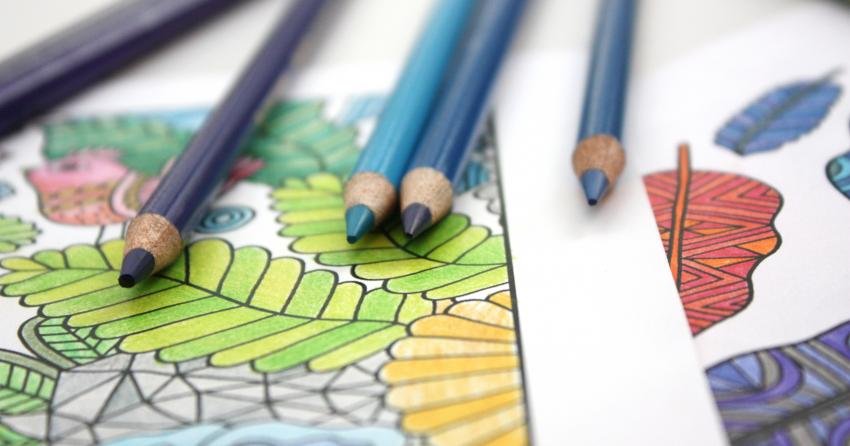
Most people pick up a set of colored pencils and reach for whatever paper is nearby. But the paper you color on affects everything — how smoothly your pencil glides, how many layers you can build, how vibrant your colors look, and whether your finished piece feels polished or flat. Choosing the right paper is one of the most impactful upgrades you can make to your coloring practice.
What Makes Paper Good for Colored Pencils?
Colored pencil pigment doesn't soak into paper the way ink does — it sits on top, caught in the microscopic texture of the surface. That texture is called tooth. A few key properties determine how well a paper works:
- Tooth (texture): A toothy surface grips more pigment and allows more layers. Too smooth and the pencil slides without depositing much color. Too rough and fine detail becomes difficult.
- Weight (gsm): Heavier paper handles layering and burnishing without buckling or tearing. Thin paper will show wear quickly.
- Acid-free: Archival-quality paper won't yellow or deteriorate — important for pieces you want to keep or frame.
- Brightness: Whiter paper makes colors appear more vibrant. Warm-toned or tinted papers create a completely different mood.
Paper Types Explained
Copy Paper — Skip It
Standard 80gsm copy paper has almost no tooth. Pigment won't adhere well, colors look pale and flat, and you'll hit the paper's saturation limit after just a couple of layers. It's fine for testing colors but not for finished work.
Drawing Paper — The Starting Point
This is the standard choice for most colorists. Brands like Canson XL Drawing and Strathmore 300 Series offer a good amount of tooth at an affordable price. These papers comfortably accept 4–6 layers of colored pencil and are available at most craft stores and on Amazon.
Bristol Board — The Step Up
Bristol comes in two surfaces: smooth and vellum. Smooth Bristol is excellent for fine detail work — the even surface lets you place color precisely. Vellum Bristol has more tooth and is better for blending and building layers. Both handle burnishing well. Strathmore 400 Series Bristol is a reliable mid-range choice.
Stonehenge Paper — The Premium Choice
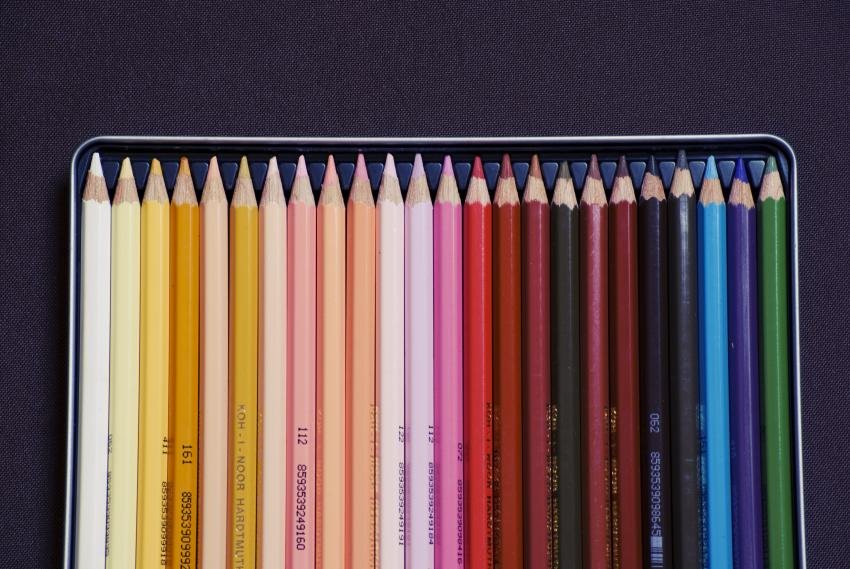
Stonehenge is widely considered the best all-round paper for colored pencils. Made from cotton, it has a beautifully smooth surface with just enough tooth to hold many layers. Colors appear rich and true, and the paper handles heavy burnishing without breaking down. It's the go-to for serious colored pencil artists. Available on Amazon and most art supply stores.
Mixed Media Paper — The Versatile Option
Mixed media paper works well with colored pencils, watercolor pencils, and light washes. It's heavier than standard drawing paper (usually 180–200gsm) and handles moisture without buckling — a good choice if you like to combine colored pencils with watercolor pencil techniques.
Toned Paper — For Advanced Effects
Gray, tan, and black toned papers open up new creative possibilities. On toned paper you can add white pencil highlights alongside dark shadows, creating depth that's impossible on white paper. Canson Mi-Teintes is one of the most popular toned paper choices among colorists.
What About Coloring Books?
Most commercially printed coloring books use 60–90gsm paper — fine for casual coloring but limited for heavy layering. If you love working in coloring books, always place a spare sheet behind the page you're coloring to prevent bleed-through. Use lighter pressure to preserve the tooth across more layers.
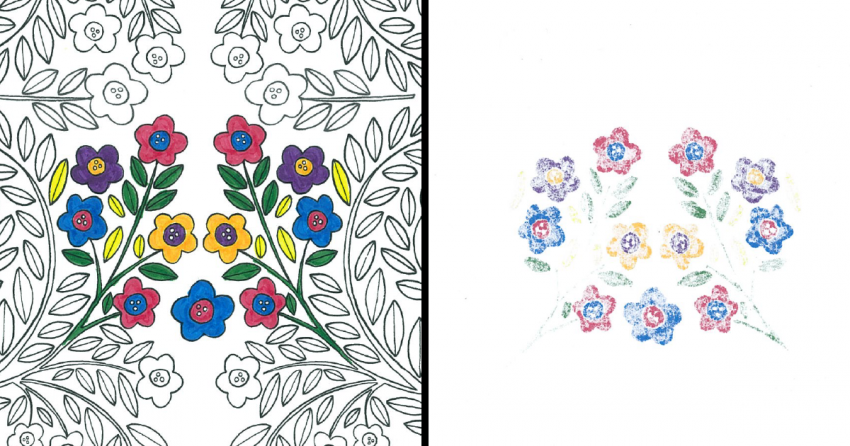
For the best results, consider printing your favorite pages onto quality paper. Our printable coloring pages are designed to look great on 90gsm+ drawing paper or Bristol.
Our Top Picks at a Glance
| Paper | Best For | Weight | Price |
|---|---|---|---|
| Canson XL Drawing | Beginners, everyday coloring | 90gsm | $ |
| Strathmore 300 Series | General drawing & coloring | 89gsm | $ |
| Strathmore 400 Bristol Vellum | Layering & blending | 270gsm | $$ |
| Strathmore 400 Bristol Smooth | Fine detail work | 270gsm | $$ |
| Stonehenge | Premium layering & burnishing | 250gsm | $$$ |
| Canson Mi-Teintes (Toned) | Highlights + shadow effects | 160gsm | $$ |
Quick Tips
- Always place a backing sheet behind your coloring page — it cushions the surface and prevents pressure marks from hard surfaces below
- Work light-to-dark: start with light layers to preserve tooth, build toward darker colors
- Store finished pieces in acid-free folders to prevent fading over time
- Test any new paper with a few test strokes before committing to a full piece
Once your paper is sorted, the next step is mastering blending. Read our guide on how to blend colored pencils for tips on building smooth, seamless color — and if you're comparing tools, our alcohol vs. water-based marker guide covers how paper choice changes for marker work too.