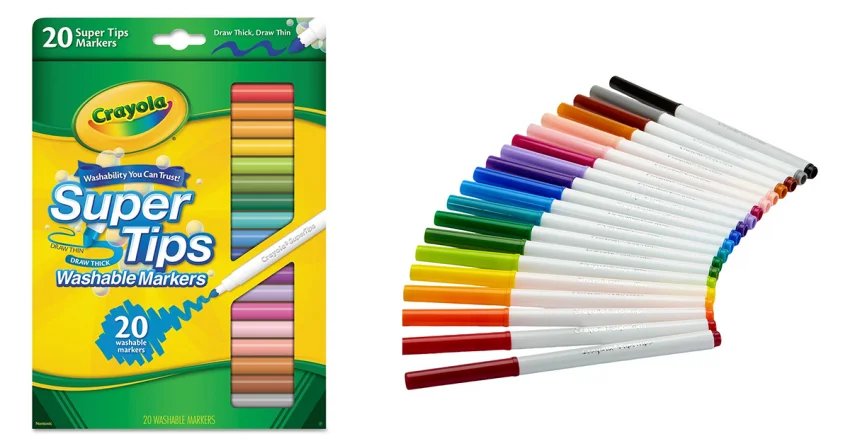
Good markers don't have to be expensive. Crayola Super Tips have earned a devoted following among adult colorists — they're affordable, available everywhere, and surprisingly versatile for a marker you can find at a drug store. But how do they actually perform? We put them through real tests on three paper types and a blending trial to find out exactly what they can and can't do.
First Impressions
Crayola Super Tips come in sets of 20, 50, or 100. The color range is wide and vibrant — bright, cheerful hues that feel energetic and fun. Unlike many budget markers, these are available at Crayola.com, CVS, Target, Michaels, Walmart, and Amazon, so you're never stuck waiting for shipping. The cone-shaped tip is the signature feature — held upright, it gives a sharp fine line for detail work; tilted, it covers larger areas with broader strokes. For a single-tip marker, that versatility is a real advantage.
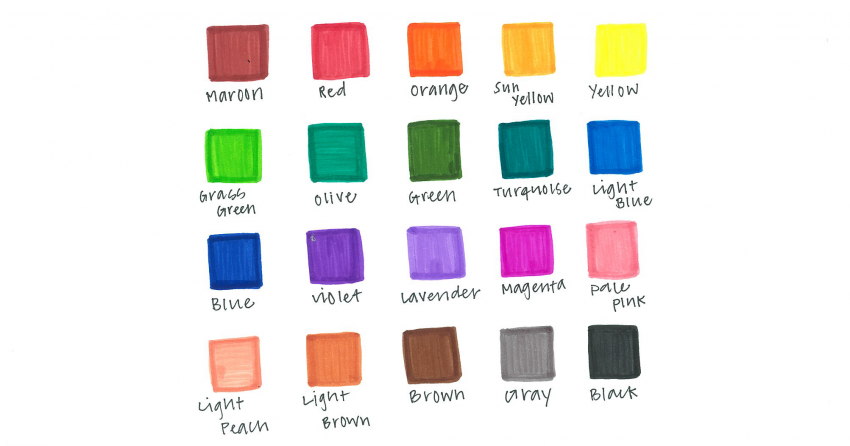
The markers are lightweight plastic with a comfortable barrel. Color names aren't printed on the caps or barrels, which makes tracking specific shades harder — something to keep in mind if color consistency matters for your projects.
Paper Test 1: 20lb Uncoated Copy Paper
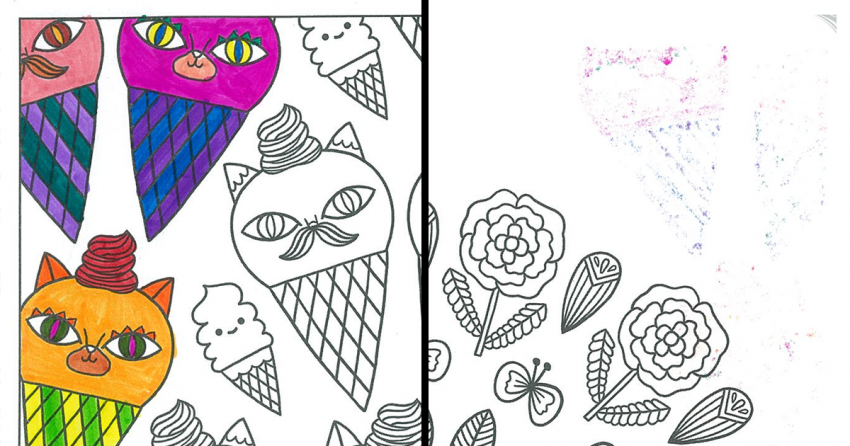
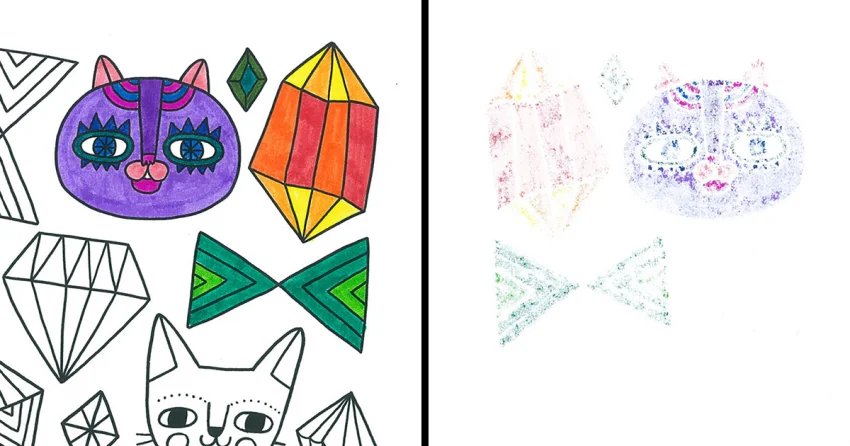
Standard copy paper is what most people have at home. The ink absorbed quickly into the paper fibers, which is expected on uncoated stock. Colors look vibrant on the front, but there's noticeable shadowing on the back — not heavy bleed-through, but enough to show through on the reverse side. Surprisingly, there was very little paper pilling, which is a common complaint with other markers on thin paper.
Verdict: Works on uncoated copy paper if you place a scrap sheet underneath. Not ideal, but usable for casual coloring.
Paper Test 2: 28lb Coated Digital Copy Paper
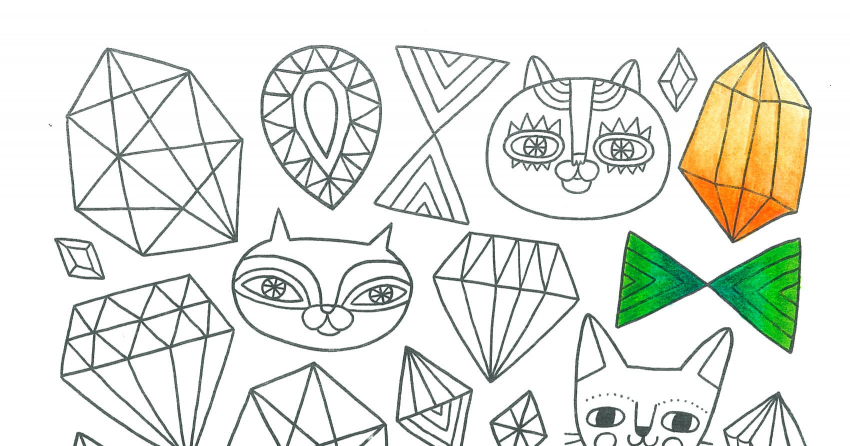
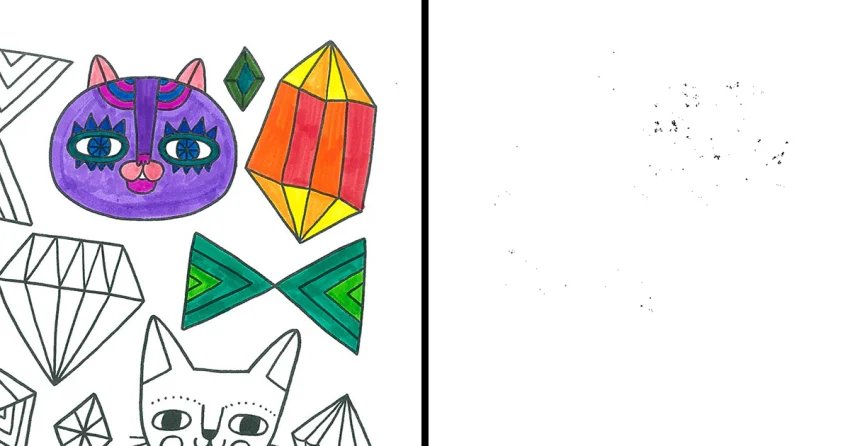
This is where Super Tips genuinely shine. Coated paper provides a smooth surface that lets the markers glide without the absorption drag of uncoated stock. The difference is immediately obvious — the ink flows more evenly, colors appear more vibrant, and there's minimal shadowing on the back page even with the darkest hues. The paper didn't pill at all under repeated strokes.
The slightly longer blending window on coated paper also means you can overlap two colors while still wet and achieve a softer transition than on absorbent paper.
Verdict: This is the ideal match. HP Premium 32lb paper or any 28lb coated digital copy paper transforms the Super Tips experience. This is our recommended pairing.
Paper Test 3: Double-Sided Coloring Book Paper
This is the standard paper found in most adult coloring books — thinner, uncoated, designed to accommodate designs on both sides. Darker colors bleed through noticeably and leave visible shadows on the reverse side. This is a marker limitation more than a Super Tips-specific problem — most non-premium water-based markers behave similarly on thin coloring book stock.
Verdict: Best in single-sided coloring books or with a buffer sheet between pages. Not recommended for double-sided coloring books if you care about both designs.
Blending Test
Super Tips are water-based, so blending capability is limited compared to alcohol markers — you can't simply stroke two adjacent colors together and get a seamless gradient. We tested using a Tombow Dual Brush Pen Colorless Blender on watercolor paper. The results were better than expected — colors moved together and created soft gradients with only minor paper pilling. Adjacent colors on the color wheel (blue to purple, orange to red) blended smoothly. Very different colors (blue to yellow) blended less successfully.
For basic blending on analogous color combinations, Super Tips are capable. For complex gradient work and seamless blending, you'll want alcohol markers like Ohuhu Honolulu or Copic Sketch.
Pros and Cons
| Pros | Cons |
|---|---|
| Smooth, gliding ink flow on coated paper | Limited blending capability |
| Vibrant, cheerful color range | Color names not printed on markers |
| Flexible cone tip (detail + fill) | Tips can flatten with heavy use |
| Washable, non-toxic formula | Bleed-through on thin or double-sided paper |
| Extremely affordable ($5–20 per set) | No dual tip for fine lines |
| Available everywhere | Not suitable for professional-grade blending |
Where to Buy & Pricing
Super Tips are available at essentially every major retailer: Amazon, Crayola.com, Target, CVS, Michaels, and Walmart. A 20-count set costs around $5–6, 50-count around $10–13, and the 100-count runs approximately $18–22. At that price, they're the most cost-effective entry point into marker coloring.
For comparison, a single Copic Sketch marker costs $6–8 — about the same as an entire 20-count Super Tips set.
The Verdict
Crayola Super Tips are a solid choice for adult colorists who want vibrant color without a big investment. They work best on coated paper, in single-sided coloring books, or as a low-pressure everyday marker. They're not premium markers and won't replace Copic or Ohuhu for serious blending work — but for beginners, casual colorists, and anyone who wants to color without barrier to entry, they deliver far more than their price suggests.
Ready to try them? Browse our free printable coloring pages for designs that work beautifully with markers. For a full marker comparison covering premium through budget options, see our complete best markers for adult coloring guide. And if you want to take marker work further, our guide to layering markers and colored pencils shows how to combine both tools for richer, more dimensional results.